Enhance Your Appearance: The Essential Guide to Picking Professional Footwear for Men
Choosing the correct formal shoes is vital for any man's wardrobe. Numerous styles, from Oxfords to monk straps, provide distinct advantages. High-quality materials and a precise fit are essential factors in both style and comfort. Understanding how to match shoes with outfits can enhance one's overall appearance. Yet, many men overlook the value of maintenance and investment. Exploring these aspects can transform an ordinary ensemble into something remarkable. Which factors genuinely impact a man's style?
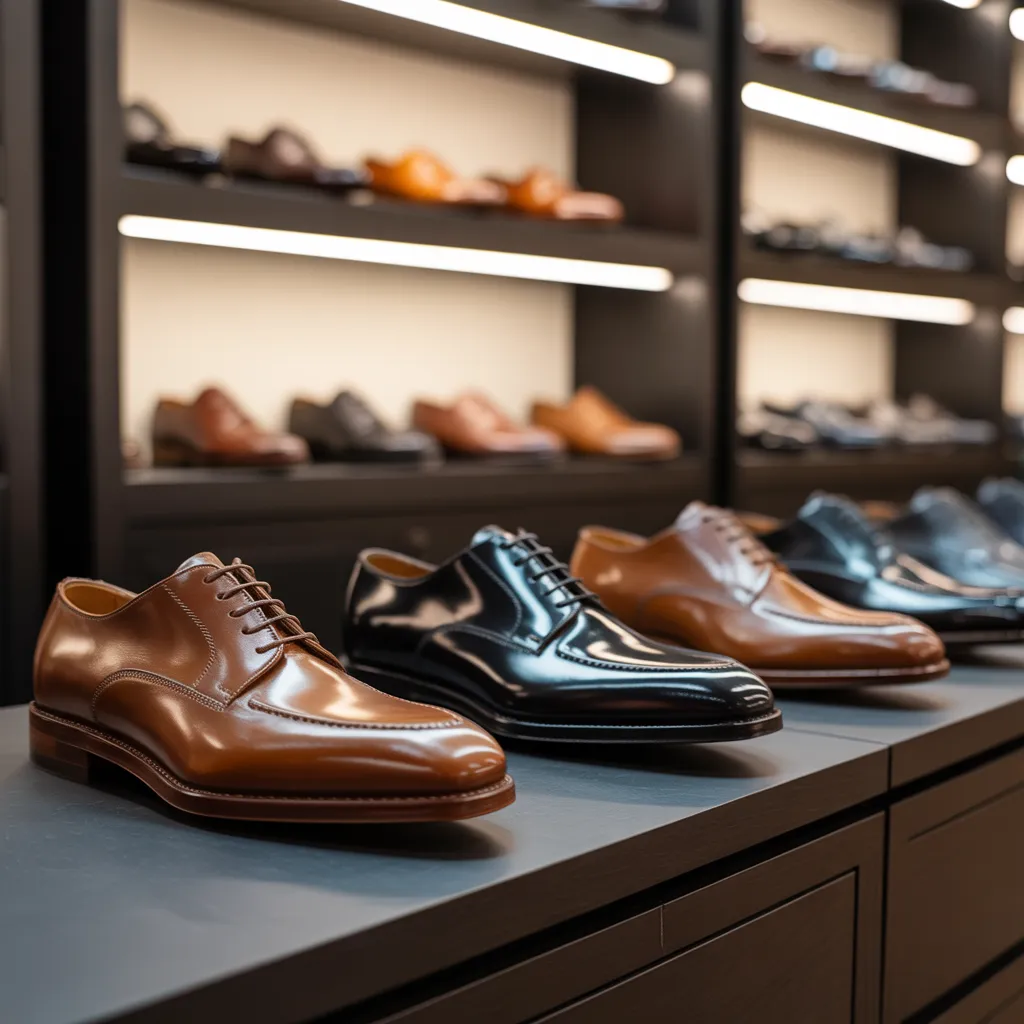
Exploring Various Formal Shoe Styles
Formal footwear stands as a foundation of the male wardrobe, combining both fashion and sophistication. Various styles cater to different occasions and personal preferences. Oxfords are defined by their closed lacing structure, providing a polished look perfect for professional and formal occasions. By comparison, Derby shoes showcase an open lacing system, offering a more casual yet refined appearance appropriate for semi-formal occasions. Loafers, known for their slip-on convenience, blend comfort with elegance, rendering them adaptable for both relaxed and formal environments.
Traditional brogues, known for their decorative perforations, can bring a stylish accent to any ensemble, while monk straps, incorporating a buckle closure rather than laces, offer a distinctive option. Each option brings its own set of benefits, enabling men to showcase personal style while respecting dress requirements. Recognizing these distinct formal shoe categories proves vital for making well-considered decisions that elevate one's look and self-assurance.
How to Select the Ideal Fit for Your Formal Shoes
Finding the perfect size for dress shoes is important for both style and comfort. This entails precisely measuring your foot, recognizing the importance of shoe width, and trying on various options to ensure a perfect fit. Considering these factors can significantly upgrade the overall wearing experience.
Measuring Your Foot Size
How does one ensure the perfect fit when selecting formal shoes? The first step involves accurately measuring foot size. This can be achieved by stepping onto a blank piece of paper, drawing around the foot's outline, and determining the maximum length between heel and toe. It is wise to measure both feet, as they may be slightly different from one another. Using a ruler, one can establish the length in centimeters or inches. Additionally, it is best to measure feet in the evening, as they often become slightly larger by day's end. This provides a more comfortable fit when trying on formal shoes. Finally, referring to a size chart can help convert measurements into the right shoe size for a range of brands.
A Guide to Shoe Width
The width of a shoe is a vital factor in ensuring a proper fit for formal footwear. Men's shoes typically come in various widths, which are designated by letters such as A, B, C, D, E, and beyond. Letters near the start of the alphabet indicate a narrower width, while wider options extend toward the linked resource end. Selecting the appropriate width is critical, as it influences overall comfort and support. Footwear that is overly narrow may result in pinching and discomfort, while one that is too wide may lead to instability. Finding the correct width involves evaluating foot shape and any particular considerations, ensuring that the formal shoes provide both style and comfort for extended wear.
Trying Shoes On
When fitting formal shoes ensuring the right fit is paramount for both comfort and style. Proper fitting goes beyond just the size; it requires attention to width and arch support. One should begin trying on shoes at the close of the day when the feet have naturally expanded. This approach ensures an accurate comfort assessment. The heel should fit snugly without slipping, while the toes should have enough room to wiggle. The general guideline is to allow about one finger's width of clearance between the shoe's toe box and the toes. Moreover, testing the shoes by standing and walking will uncover potential pressure points or discomfort that may arise during extended wear.
Important Qualities of Superior Formal Shoe Materials
Picking premium materials is crucial for securing comfort and durability in formal shoes. High-end leather, often characterized by its refined grain and polished texture, is a popular selection due to its ability to mold to the foot over time and breathability. Full-grain leather is widely regarded for its resilience and extended lifespan, while suede provides a softer, more casual aesthetic.
Beyond leather, top-tier formal shoes commonly include a durable sole, with varieties extending from leather to rubber, offering stability and grip. The building technique also holds considerable importance; Goodyear welted shoes, as an example, permit resoling, prolonging the shoe's durability. Moreover, fine formal shoes commonly include cushioned footbeds, boosting comfort during long periods of wear. In the end, opting for shoes constructed from these high-grade materials delivers an elegant aesthetic while prioritizing practicality and comfort.
Matching Formal Shoes With Outfits
Formal shoes are essential components of a polished outfit, and the way they are matched can profoundly affect your complete look. When choosing dress footwear, one must consider the outfit's formality and color scheme. For instance, timeless black leather oxford shoes pair beautifully with well-fitted suits, delivering a refined and put-together aesthetic. Tan and brown leather footwear, in contrast, bring richness and adaptability to navy or charcoal suits, most notably in relaxed business environments.
With lighter shades, including beige or light gray, tan shoes may achieve a well-balanced aesthetic. One must also remember to align the shoe style to suit the occasion; brogues tend to work well at semi-formal gatherings, while refined, minimalist options are best reserved for formal events. Complementary accessories, including belts and watch straps, should match the shoe's finish and hue, ensuring a cohesive appearance. Ultimately, the right combination of formal shoes and outfits enhances personal style while projecting confidence.
The Role Color Plays in Your Formal Shoe Decisions
Color plays a pivotal role in establishing the relevance of formal shoe choices. Conventional hues such as black, brown, and oxblood remain fundamental in a gentleman's collection, with each communicating unique impressions of elegance and refinement. Black shoes, often associated with formality, are most appropriate for events such as weddings and business meetings, complementing effortlessly darker suit choices. Footwear in brown, available in various shades, provide flexibility, appropriate across semi-formal and casual occasions, frequently pairing well with suits in lighter tones. Oxblood, a richer alternative, adds an element of sophistication whilst preserving an air of professionalism. Additionally, color selection may shape impressions; darker hues tend to communicate power, as lighter tones can indicate a more welcoming presence. At the end of the day, understanding how color interacts with occasion and attire is crucial for arriving at well-considered choices about formal footwear.
Practical Tips for Preserving the Shape of Your Formal Shoes
Sustaining the appearance and longevity of dress shoes requires a few practical methods. Building a regular care regimen, applying proper storage techniques, and treating leather uppers can substantially increase the durability of this type of footwear. By applying this advice, one can make certain that their dress shoes is kept in pristine condition.
Routine Cleaning Schedule
Preserving the pristine look of formal shoes necessitates a steady cleaning routine. Consistent care not only boosts their aesthetic appeal but also increases their longevity. To start, it's important to remove dirt and dust using a soft brush or cloth after each wear. Using a slightly wet cloth can assist in removing tough stains. In the case of leather shoes, regularly applying a high-quality leather conditioner every few months helps retain their softness and sheen. Polishing with a suitable product enhances the finish and protects the surface. It's also advisable to clean the soles, as accumulated grime can affect traction. In conclusion, letting shoes dry naturally following moisture exposure is essential; the use of direct heat sources must be avoided. Adhering to this practice will keep formal shoes in top condition and suitable for any occasion.
Appropriate Storage Practices
Correct storage methods are crucial for maintaining the form and condition of dress shoes. To maintain their form, it is recommended to use shoe trees, which work to eliminate moisture and preserve the shoe's shape. Storing shoes in a cool, dry place away from direct sunlight prevents fading and cracking. Additionally, utilizing dust bags or boxes can protect them from dust and environmental damage. Stacking shoes should be avoided, as this may cause misshaping. Protecting the shoes from excessive humidity is essential; using silica gel packets can help absorb moisture. Lastly, alternating between pairs prevents overuse and promotes air circulation, extending the lifespan of each pair. Proper storage ultimately enhances both appearance and durability.
Caring for Leather Materials
Keeping formal shoes stored correctly builds the basis for their lasting quality, but caring for the leather is equally critical for sustaining their aesthetic and strength. Routine conditioning assists in keeping the leather soft and pliable, stopping it from becoming dry and developing cracks. With a premium leather conditioner, apply a modest quantity uniformly using a soft cloth, allowing it to absorb for 15-30 minutes before buffing with a clean cloth. This process not only nourishes the leather but also enhances its natural luster. Additionally, it is essential to avoid over-conditioning, because this could produce an unwanted greasy appearance. For optimal performance, the conditioning routine should be repeated every 3-6 months, or at greater intervals during severe weather conditions.
Formal Shoe Investment: Premium vs. Cost-Effective Options
When exploring formal footwear, the distinction between luxury and economical alternatives can greatly impact both appearance and wearability. High-end formal shoes frequently boast remarkable construction, high-quality materials, and unique designs. These options typically provide an improved fit and superior durability, establishing them as a sound investment for frequent wearers. The elegant appeal of distinguished brands can also elevate one's complete look, projecting a sense of sophistication and confidence.
Conversely, inexpensive formal shoes can be a great option for those mindful of their spending or those who don't need daily formal attire. While these alternatives may lack the longevity and refinement of their high-end counterparts, they can still deliver reasonable style and comfort for infrequent wear. At the end of the day, the final call rests on personal preferences—whether one values the enduring quality and prestige of high-end shoes or prefers the accessibility and practicality of more cost-effective selections. Each category offers its own benefits, serving varied needs and ways of living.
How to Shop for Formal Shoes Online
How can someone ensure a positive experience when shopping online for dress shoes? First, it is important to understand the correct size, as each brand may have different sizing. Referring to the brand's size guide can help secure a better fit. Furthermore, reading customer reviews offers insights into the comfort level and quality, which are essential for dress shoes.
Additionally, reviewing thorough product descriptions and clear high-resolution photos can clarify both the materials and the level of craftsmanship. Moreover, reviewing return policies is highly recommended; well-established retailers commonly allow straightforward returns in case the shoes fall short of your expectations.
Moreover, utilizing discount codes or shopping during promotional periods can make high-quality shoes more affordable. Lastly, taking the shoe's versatility into account ensures compatibility with a range of outfits, maximizing its utility. By applying these guidelines, individuals can significantly improve their odds of a rewarding online formal shoe shopping experience.
Questions We Often Receive
What Are the Leading Brands for Formal Shoes?
The top formal shoe brands are Allen Edmonds, Church's, and Cole Haan, renowned for their superior craftsmanship and design. Other reputable names are Clarks, Hugo Boss, and Johnston & Murphy, offering a range of elegant options.
How Often Do I Need to Replace My Formal Shoes?
Formal footwear should ideally be replaced every 6 to 12 months, based on how frequently they are worn and used. Routine checks for indicators of damage or discomfort can assist in identifying the right time for a replacement in order to preserve their overall look and wearability.
Can I Wear Formal Shoes With Casual Attire?
Yes, formal shoes work well with everyday casual wear. When coordinated with intention, they can elevate a relaxed look, mixing polish with casualness. Even so, striking the right balance is important to prevent aesthetic clashes in the complete outfit.
Are There Specific Care Tips for Leather vs. Suede?
Leather requires routine polishing and conditioning to keep its shine and flexibility intact, while suede responds well to careful brushing and periodic applications of moisture-resistant sprays to protect against stains and retain its texture. Consistent upkeep secures the lifespan of both materials.
How Can I Find My Shoe Size Across Different Brands?
To determine shoe size across multiple brands, shoppers should take measurements of foot length and width, consult brand-specific size charts, and think about trying the shoes on, as sizing can vary considerably between manufacturers.